Our Story — The Journey of Asili Dub, Nairobi's Roots Reggae & Dub Band
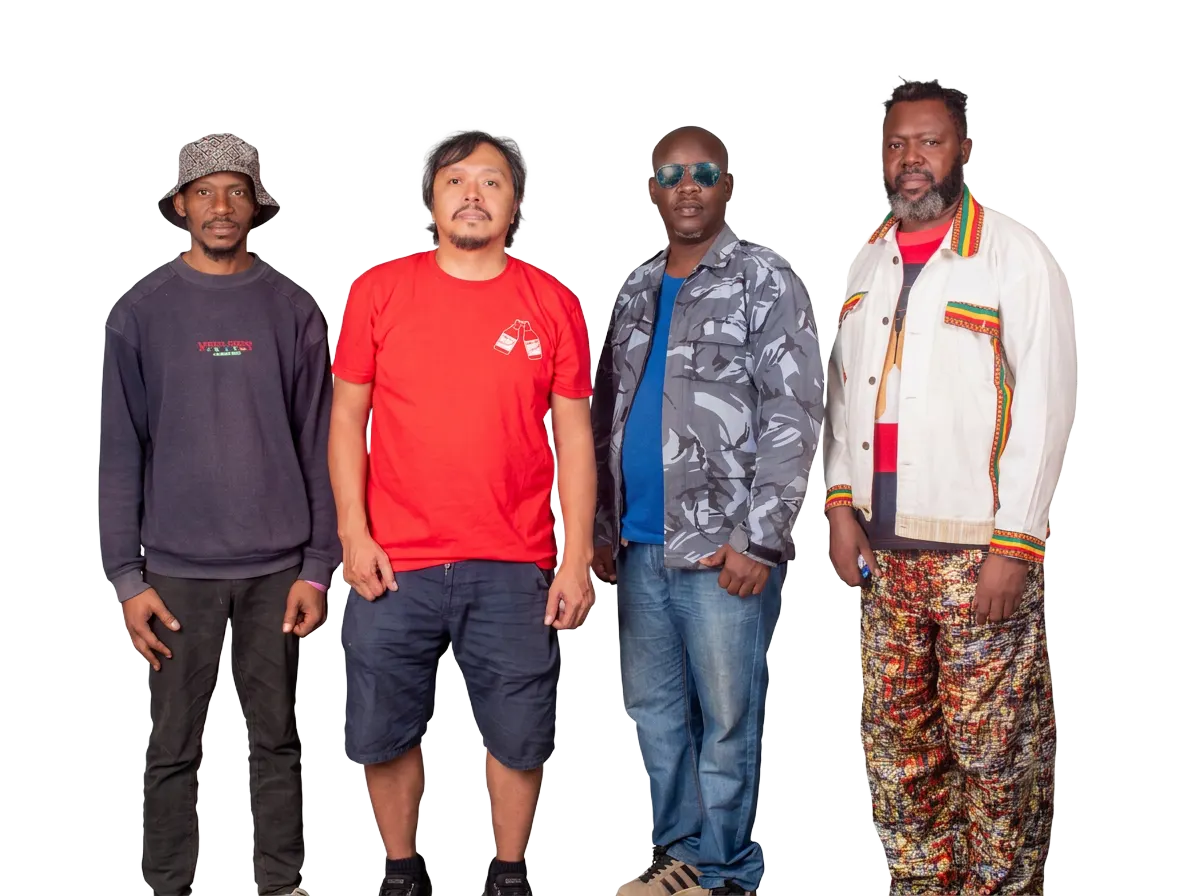

Dub Music in Africa
Dub reggae music in Africa is a vibrant subgenre blending Jamaican bass-heavy remix culture with local roots, featuring major regional hubs like South Africa, Nigeria, and Kenya. Asili Dub represents the Nairobi/Kenya chapter of this movement.
Taarab Music — Frequently Asked Questions
- What is Taarab music?
- Taarab is a Swahili coastal music genre from East Africa — especially Zanzibar, Mombasa and Tanzania — that blends Swahili sung poetry with Arabic, Indian and African instrumentation: ouds, qanuns, violins, accordions and hand percussion. It's traditionally performed at weddings and cultural celebrations.
- What does "Taarab" mean?
- The word comes from the Arabic "tarab" (طرب), meaning the emotional ecstasy or joyful trance evoked by music. In Swahili culture it refers both to that feeling and to the sung poetry that produces it.
- Where did Taarab originate?
- Taarab originated in Zanzibar in the late 19th century under Sultan Barghash bin Said, who invited Egyptian musicians to perform at his court. It spread along the Swahili Coast to Mombasa, Tanga, Dar es Salaam and the Comoros.
- Who are the famous Taarab musicians?
- Legends include Siti binti Saad (the pioneer), Bi Kidude, Culture Musical Club and Ikhwani Safaa Musical Club of Zanzibar, Black Star Musical Club of Tanga, and modern voices such as Nyota Ndogo, Khadija Kopa and Mzee Yusuph.
- How is Taarab different from other African music?
- Unlike most sub-Saharan African music, Taarab is built around Swahili sung poetry (mashairi) with strong Arabic maqam melody and Indian film-music influence. Its rhythms are slower and more melodic, and lyrics use metaphor (mafumbo) to send coded social messages.
- What is the role of women in Taarab, from Siti binti Saad to Nyota Ndogo?
- Women are central to Taarab. Siti binti Saad broke gender and class barriers in the 1920s, becoming the first East African woman to record commercially. Today artists like Nyota Ndogo, Khadija Kopa and Mwanahawa Ali carry the tradition forward, voicing women's experiences of love, marriage and society.
- What are the influences in Taarab music?
- Taarab fuses Arabic maqam scales and instrumentation (oud, qanun, violin), Indian film-music melody and rhythm, African hand-drum percussion, and Swahili sung poetry — reflecting centuries of Indian Ocean trade along the Swahili Coast.
Reggae Music in Kenya
Reggae music in Kenya is a vibrant cultural force with deep roots dating back to the late 1970s, defined by icons like Mighty King Kong, the duo Necessary Noize (Wyre and Nazizi), and contemporary acts like Lavosti and Michael Bundi. Asili Dub carries this Kenyan reggae lineage forward from Nairobi, fusing roots reggae, dub bass, Swahili lyricism and East African rhythm into a sound that belongs to Kenya's long reggae story.
African Dub Music
African dub music is a subgenre of reggae and dub that blends heavy basslines, studio effects, and African-centered Rastafari or liberation themes, famously pioneered by producers like Joe Gibbs in the 1970s. Asili Dub carries this African dub tradition from Nairobi — heavy bass, deep studio dubwise effects and Swahili lyricism rooted in African consciousness.
African Reggae Music
African reggae is a powerful style of music. Key artists include Lucky Dube, Alpha Blondy, and Tiken Jah Fakoly. It mixes Jamaican beats with local African stories about freedom, peace, and daily life. Asili Dub carries this African reggae lineage forward from Nairobi, blending roots reggae, dub bass, Swahili lyricism and East African rhythm.
Reggae Music in Nairobi
Nairobi is considered the premier reggae music hub of East Africa, boasting an incredibly vibrant subculture where roots, dub, and dancehall can be heard somewhere in the city every single day of the week. Asili Dub is part of this Nairobi reggae scene, playing roots reggae and dub across Nairobi, Kenya and East Africa.